

Have you ever wondered how much of our beautiful Indian culture and traditions our children will carry forward to the next generation?
India is a country rich in cultural heritage, colorful festivals, meaningful traditions, diverse languages, and strong family values. From celebrating Diwali with loved ones to wearing beautiful traditional outfits during special occasions, every cultural experience tells a unique story.
However, in today’s fast-changing world, where children are increasingly influenced by modern lifestyles, technology, and global trends, staying connected to cultural roots is becoming more important.
This brings us to an important question: Why Should Kids Learn to Embrace Indian Culture and Tradition?
Introducing children to Indian culture is not simply about teaching them customs or encouraging them to wear traditional clothes. It is about helping them understand their heritage, develop meaningful values, appreciate cultural diversity, and build a strong sense of identity.
At Stitchkaa we believe that every child deserves to experience the beauty of Indian traditions while feeling comfortable, confident, and free to express their individuality.
Let’s explore how embracing Indian culture and traditions can enrich children’s lives and create meaningful childhood memories.
Encouraging Traditional Dressing Helps Kids Embrace Indian Culture and Tradition
Traditional Indian clothing is much more than something we wear during festivals or weddings. It represents our history, regional craftsmanship, artistic traditions, and cultural identity.
When children dress in traditional Indian attire, they experience an important part of their heritage in a joyful and memorable way.
How Traditional Indian Clothing Introduces Children to Culture
India has a beautiful variety of traditional outfits, each reflecting the customs and craftsmanship of different regions.
A colorful lehenga choli can introduce children to festive dressing traditions, while a classic kurta pajama set represents timeless Indian ethnic fashion. Similarly, sharara sets, dhoti kurtas, and other traditional garments showcase the diversity of Indian clothing.
Imagine a little girl happily twirling in her lehenga during Navratri or a little boy proudly wearing his kurta pajama while celebrating Diwali with his family.
These moments allow children to experience culture rather than simply learn about it and hence it is important reason to Why Should Kids Learn to Embrace Indian Culture and Tradition?
Parents can make traditional dressing more meaningful by explaining the significance of different outfits, fabrics, prints, and regional designs.
Why Comfortable Traditional Clothing Matters for Children
While traditional dressing connects children with their heritage, comfort should never be compromised.
Children naturally love running, dancing, jumping, and exploring their surroundings. Uncomfortable fabrics, heavy embellishments, and restrictive outfits can interfere with their enjoyment.
At Stitchkaa, we focus on thoughtfully selected, skin-friendly fabrics and comfortable designs that allow children to celebrate freely.
We believe traditional clothing should help children express themselves rather than restrict their movement and hence this is the answer of “Why Should Kids Learn to Embrace Indian Culture and Tradition?”
Stitchkaa ethnic wear becomes a beautiful way for kids to express their individuality while staying connected to Indian traditions.
Teaching Values and Ethics Through Indian Culture
One of the most meaningful answers to “Why Should Kids Learn to Embrace Indian Culture and Tradition?” lies in the values that cultural experiences can teach.
Indian traditions often emphasize respect, kindness, honesty, compassion, gratitude, and responsibility.
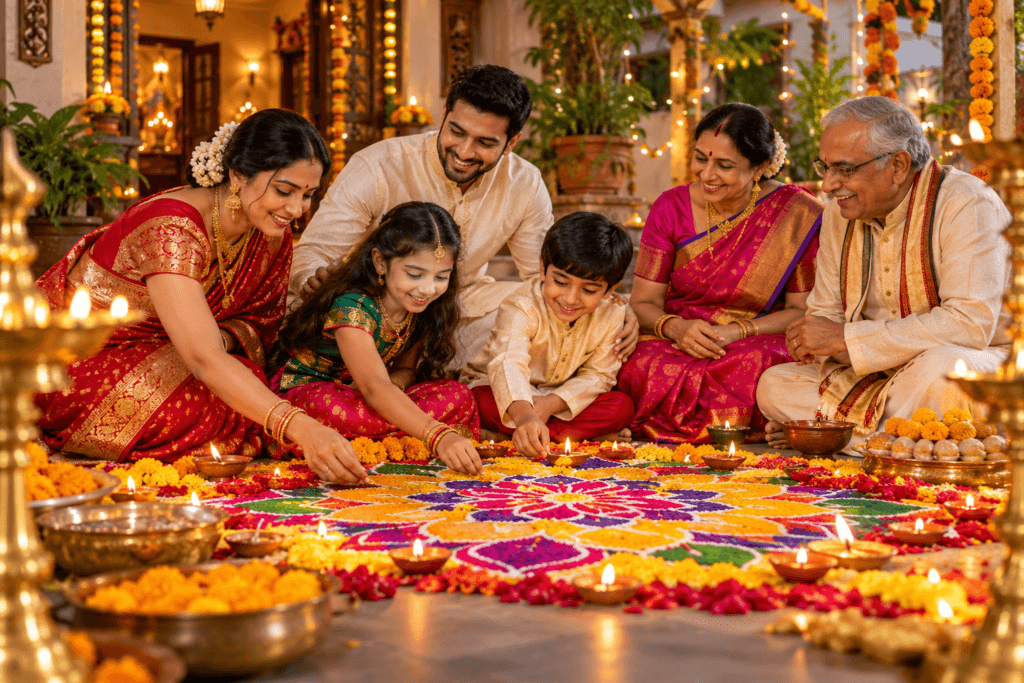
These values can help children develop strong relationships and become thoughtful, responsible individuals.
How Indian Traditions Encourage Good Values
Many Indian families introduce values through simple everyday practices.
Greeting elders respectfully, helping family members, sharing food, and expressing gratitude are examples of actions that can teach children the importance of kindness and consideration.
Traditional Indian stories also offer valuable learning opportunities.
Stories from the Panchatantra, Ramayana, and Mahabharata introduce children to themes such as courage, friendship, loyalty, honesty, and decision-making.
Parents can discuss these stories with children and encourage them to think about the lessons behind different characters and situations.
Building Strong Character Through Cultural Experiences
Children learn best when they understand the meaning behind their actions.
Instead of asking them to follow traditions without explanation, parents can encourage questions and conversations.
For example, when families share food during celebrations, children can learn about generosity. When they help grandparents prepare for festivals, they can experience responsibility and cooperation.
These small experiences can gradually help children develop empathy, gratitude, and respect for others and this is the beautiful answer of “Why Should Kids Learn to Embrace Indian Culture and Tradition?”
Festivals and Celebrations: Creating Beautiful Childhood Memories
Indian festivals are filled with joy, colors, music, delicious food, traditional clothing, and family gatherings.
They are also wonderful opportunities to introduce children to Indian culture in an enjoyable and meaningful way.
How Indian Festivals Help Children Understand Traditions and culture?
Every Indian festival has its own history, customs, and significance.
During Diwali, children experience the joy of decorating homes, lighting diyas, sharing sweets, and celebrating with family.
Navratri introduces them to traditional music, Garba, Dandiya, and celebrations associated with Goddess Durga.
Janmashtami offers opportunities to learn stories about Lord Krishna, while Raksha Bandhan celebrates sibling relationships.
Ganesh Chaturthi brings families and communities together through devotion, creativity, and shared celebrations.
Through these experiences, children discover that festivals are not merely holidays. They are opportunities to understand cultural stories, participate in family traditions, and create memories. Hence it is important for kids to Learn to Embrace Indian Culture and Tradition.
This is beautiful answer of “Why Should Kids Learn to Embrace Indian Culture and Tradition?”
Why Celebrating Festivals Together Matters
Think about your own childhood memories.
Do you remember the excitement of choosing new clothes for Diwali, decorating your home, preparing festive sweets, or visiting relatives?
These experiences often remain special even after many years.
When children participate in celebrations, they build emotional connections with family members and traditions.
A little girl dancing in her favorite lehenga or a little boy celebrating with his cousins in a comfortable kurta pajama creates memories that may last a lifetime.
At Stitchkaa, we believe children should enjoy these special moments without discomfort or unnecessary crankiness caused by unsuitable clothing.
Understanding Cultural Diversity: Appreciating India’s Rich Heritage
India is known for its extraordinary cultural diversity.
Different states and communities have unique languages, festivals, food, clothing, music, and traditions.
Introducing children to this diversity helps them understand that Indian culture is not limited to one particular custom or way of life.
Exploring Different Regional Traditions
Children can discover the colorful Garba celebrations of Gujarat, the traditional Pongal festivities of Tamil Nadu, the vibrant Durga Puja celebrations of West Bengal, and the beautiful Onam traditions of Kerala.
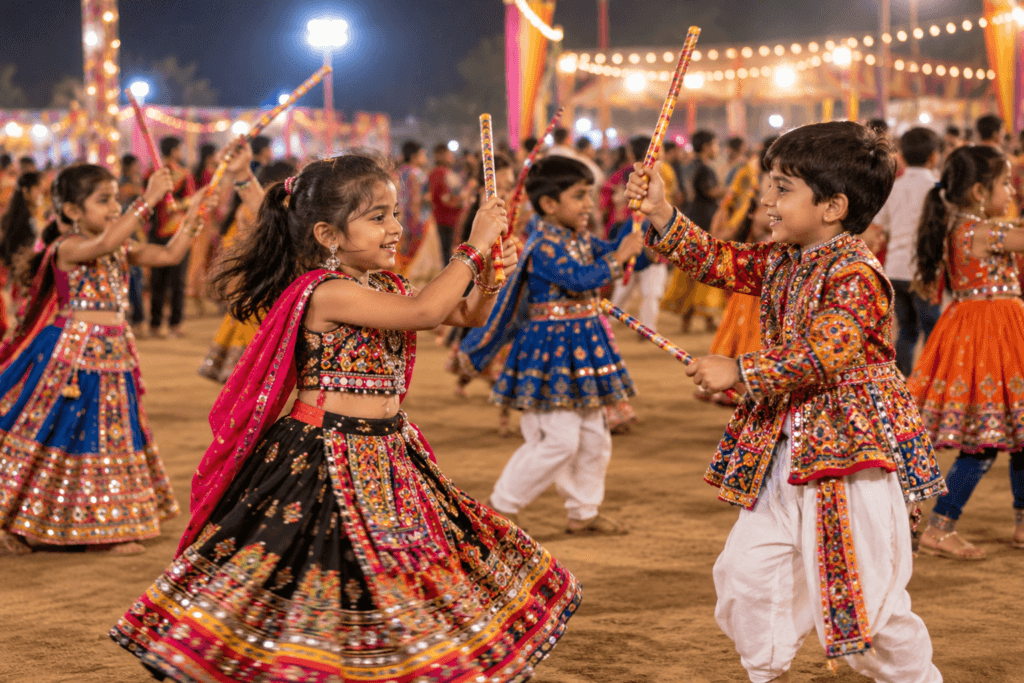
They can also learn about Baisakhi celebrations in Punjab and Chhath Puja traditions in Bihar.
Each celebration provides an opportunity to understand different communities and their cultural practices.
Traditional clothing also reflects this diversity through regional textiles, embroidery, prints, and distinctive styles.
Therefore, it is essential to encourage children to embrace Indian culture and traditions from an early age, helping them develop a strong sense of identity, respect for cultural values, and a deeper connection with their roots.
Teaching Children the Meaning of Unity in Diversity
When children learn about different traditions, they begin understanding that people can have different customs while sharing values such as kindness, family togetherness, and respect.
Parents can encourage curiosity by discussing different festivals, trying regional foods, and exploring traditional music and clothing.
These experiences help children appreciate cultural differences rather than view them as barriers.
Understanding India’s diversity can also prepare children to interact respectfully with people from different backgrounds.
Creating a Sense of Identity and Belonging
Every child deserves to understand where they come from and feel connected to their family history.
Cultural traditions provide a meaningful link between past generations and the present.
How Indian Culture Helps Children Understand Their Roots
When children listen to grandparents’ stories, learn their mother tongue, participate in family celebrations, or explore traditional customs, they develop a deeper understanding of their heritage.
These experiences can help them feel connected to their families and communities.
Similarly, learning about family traditions can encourage children to appreciate the experiences of previous generations.
Henc, this is one of the reason of Why Children Should Learn to Embrace Indian Culture and Tradition.
Balancing Modern Lifestyles with Cultural Identity
Embracing Indian culture does not mean rejecting modern lifestyles.
Children can enjoy contemporary fashion, technology, global experiences, and modern education while remaining connected to their cultural roots.
A child can wear a modern outfit for a birthday celebration and choose a traditional lehenga or kurta pajama for a family festival.
Both choices can reflect their personality.
At Stitchkaa, we believe cultural identity and individuality can beautifully coexist.
Children should feel proud of their heritage while having the freedom to express who they are.
Respecting Different Cultures and Developing Empathy
Learning about Indian traditions can also encourage children to appreciate cultures beyond their own.
India is home to people from different religions, communities, and cultural backgrounds.
Understanding these differences helps children develop respect, empathy, and acceptance.
How Cultural Awareness Encourages Mutual Respect
Children often notice differences in the way their friends celebrate festivals, dress, speak, or follow family customs.
Parents can use these moments to introduce meaningful conversations about cultural diversity.
For example, learning about Diwali, Eid, Christmas, Gurpurab, and other celebrations can help children understand that every community has its own meaningful traditions.
The purpose is not to compare cultures but to appreciate them.
Raising Open-Minded Children
When children understand that different people follow different traditions, they become better prepared to build respectful relationships.
Cultural learning encourages them to listen to others, ask thoughtful questions, and appreciate different perspectives.
These qualities are valuable not only during childhood but throughout life.
Teaching children to respect other cultures while appreciating their own heritage helps create a more inclusive and compassionate society.
Developing Social Skills and Making Meaningful Connections
Indian culture places great importance on family gatherings, community celebrations, and shared experiences.
These occasions provide children with natural opportunities to develop social skills and build meaningful relationships.
How Cultural Celebrations Encourage Social Interaction
During festivals, weddings, and family functions, children interact with relatives, friends, neighbors, and people of different age groups.
These experiences can help them practice communication, cooperation, sharing, and teamwork.
For example, participating in Garba celebrations allows children to interact with others through dance and group activities.
Helping parents decorate the home for Diwali introduces cooperation and responsibility.
Similarly, attending family weddings provides opportunities to meet relatives and become comfortable in social settings.
Strengthening Family Bonds Across Generations
One of the most beautiful aspects of Indian traditions is the connection they create between generations.
Grandparents share stories, parents explain customs, and children participate with excitement.
Whether preparing festive sweets, choosing traditional outfits, or decorating the house together, these experiences create opportunities for meaningful conversations.
Over time, such moments can strengthen family relationships and become treasured childhood memories hence it’s very important question “Why Should Kids Learn to Embrace Indian Culture and Tradition?”
How Parents Can Encourage Children to Embrace Indian Culture and Tradition?
Introducing children to Indian culture does not require complicated lessons or strict routines.
Simple, enjoyable experiences can help children naturally connect with their heritage.
Make Cultural Learning a Part of Everyday Life
Parents can begin by sharing childhood stories, introducing traditional Indian foods, teaching regional languages, and involving children in festival preparations.
Visiting cultural places, exploring traditional music, and discussing the meaning behind celebrations can make learning more interesting.
Most importantly, children should feel encouraged rather than pressured.
When traditions are introduced through love, curiosity, and enjoyment, children are more likely to develop a genuine appreciation for them.
This is one of the best ways to help children connect with their roots and understand why kids should learn to embrace Indian culture and tradition from an early age.
Encourage Children to Express Their Individuality
Every child has a unique personality.
Some children love dancing during Navratri, others enjoy listening to traditional stories, and many get excited about dressing up for festivals.
Parents can support these interests while helping children discover different aspects of Indian culture.
Allowing children to choose their favorite traditional outfits, colors, and designs can make festive preparations even more enjoyable and this will help them to understand the Importance of Indian culture for kids.
Celebrate the Magic of Indian Culture with Stitchkaa
At Stitchkaa, we believe that every festival tells a story, every tradition carries meaning, and every childhood celebration deserves to be memorable.
Our journey is rooted in a simple belief: children should be able to celebrate their traditions without compromising on comfort.
Where Traditional Beauty Meets Childhood Comfort
Our thoughtfully selected collection of kids’ lehenga choli, kurta pajama sets, sharara sets, and other ethnic wear brings together traditional charm, comfort, and individuality.
We focus on skin-friendly fabrics and movement-friendly designs so little ones can enjoy festivals, weddings, and family celebrations with confidence.
Whether your little girl is twirling in her beautiful lehenga or your little boy is celebrating Diwali in his favorite kurta pajama, we want every moment to feel special.
One Outfit at a Time, One Beautiful Memory at a Time
For us, ethnic wear is not just about dressing children for a special occasion.
It is about helping them experience their traditions, express their personalities, and create joyful memories.
Join us at Stitchkaa to celebrate the magic of Indian culture. One outfit at a time.
Explore our collection of comfortable kids’ ethnic wear at www.stitchkaa.com.
Conclusion: Keeping Indian Culture and Traditions Alive for Future Generations
So, why should kids learn to embrace Indian culture and tradition?
Because cultural learning is about much more than festivals, clothing, or customs.
It helps children understand their roots, develop meaningful values, appreciate diversity, respect others, build social connections, and create a strong sense of belonging.
From dressing up in traditional attire to participating in family celebrations, every cultural experience offers an opportunity to learn, connect, and create memories.
As parents, we can introduce our children to India’s beautiful heritage while encouraging them to explore their own unique identities.
At Stitchkaa, we believe traditions become even more meaningful when children can celebrate them comfortably, confidently, and joyfully.
Thank you so much for tuning into this blog!
This topic truly matters to us as a brand because we believe every child deserves to experience the beauty of Indian culture while creating happy childhood memories.
We would love to hear your thoughts!
Which Indian tradition or childhood festival memory would you love to pass on to your little one?
Share your experiences with us, and let’s celebrate the beauty of Indian culture together.
With Love,
Team Stitchkaa
Celebrating Indian Traditions, One Outfit at a Time.